Plyometrics in Youth Athletic Development
The Role of Plyometrics in Youth Athletic Development
Athletic development at the youth level is about building a foundation of movement efficiency, strength, and power that supports long-term success. One of the most effective training methods for enhancing explosive power, speed, and coordination in young athletes is plyometric training. When implemented correctly, plyometrics can be a game-changer for developing athletes across all sports, helping them run faster, jump higher, and move with greater agility and control.
Let’s break down what plyometrics are, why they’re critical for youth athletic development, and how to implement them safely and effectively at BSF Elite Performance.
What Are Plyometrics?
Plyometric training focuses on developing explosive power through rapid stretching and contracting of muscles—a process known as the stretch-shortening cycle (SSC). These exercises train an athlete’s ability to generate force quickly, making them more reactive and dynamic.
Common examples of plyometric movements include:
Jumping & Bounding (box jumps, depth jumps, hurdle hops)
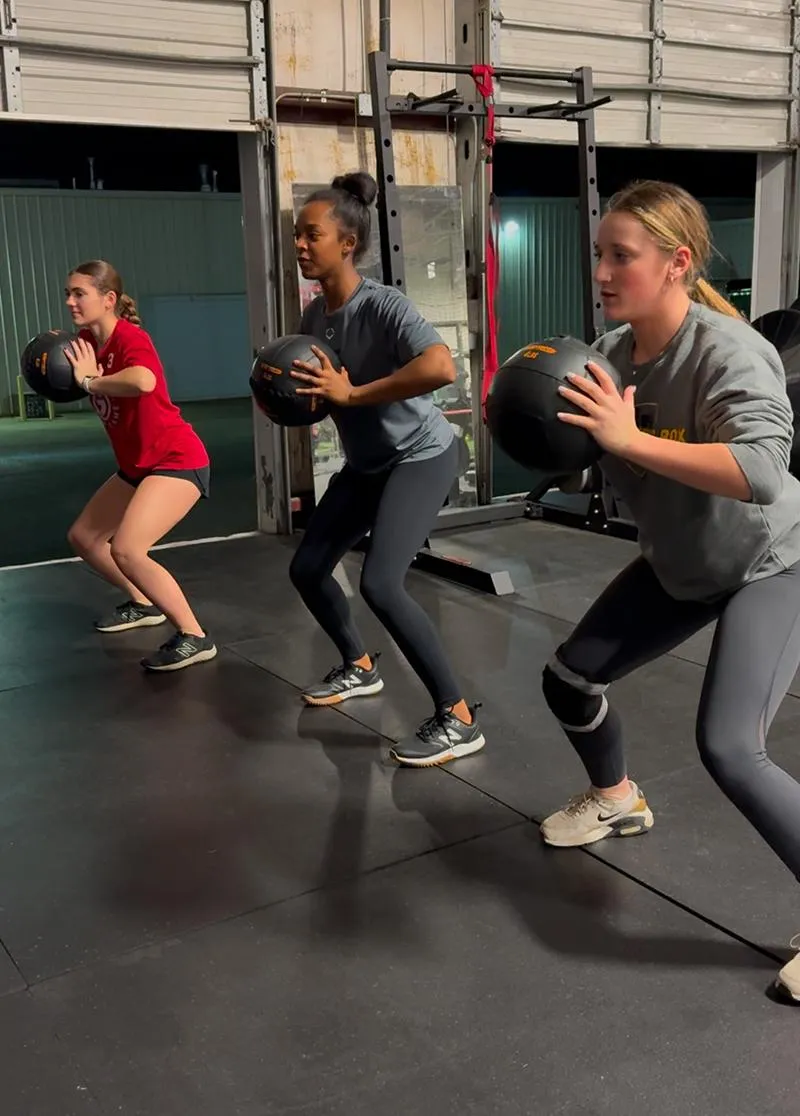
Medicine Ball Throws (rotational slams, overhead tosses)
Explosive Sprint Starts (hill sprints, resisted sprints)
Reactive Drills (ladder drills, depth drop reactions)
By incorporating these into training, young athletes improve their ability to accelerate, decelerate, and change direction efficiently—all essential components of speed and agility.
Why Plyometrics Matter for Youth Athletes
1. Develops Explosive Power
Plyometrics increase fast-twitch muscle fiber activation, making movements quicker and more powerful. Whether it’s a baseball player launching off the mound, a basketball player rising for a rebound, or a soccer player sprinting past a defender, explosive power plays a key role in sports performance.
2. Enhances Speed & Agility
The ability to rapidly absorb and redirect force is critical for any athlete. Plyometric exercises train this skill by improving an athlete’s reaction time and movement efficiency, making them faster in competition.
3. Improves Coordination & Movement Mechanics
Young athletes are still developing neuromuscular control. Plyometrics force them to stabilize, land efficiently, and control their movements, leading to better overall coordination. This reduces injury risk and enhances sport-specific movement patterns.
4. Injury Prevention & Joint Stability
Contrary to the misconception that plyometrics increase injury risk, when progressed properly, they actually build stronger connective tissues, improve joint stability, and teach athletes how to land safely. Teaching proper landing mechanics reduces stress on the knees and ankles, helping prevent common injuries like ACL tears.
5. Builds Mental Toughness & Competitiveness
Plyometrics aren’t just about physical gains—they also challenge an athlete’s mindset. Explosive training requires focus, effort, and resilience. Athletes at BSF Elite Performance are pushed to compete against themselves, reinforcing mental performance principles like goal-setting, focus, and grit.
How to Implement Plyometric Training for Youth Athletes
While plyometrics are highly effective, they must be implemented correctly based on an athlete’s age, strength level, and sport. Here’s how we approach it at BSF Elite Performance:
1. Master the Fundamentals First
Before adding intensity, athletes must learn proper landing mechanics. This includes:
✅ Soft landings (absorbing force with hips, knees, and ankles)
✅ Stable positions (chest up, knees aligned, feet shoulder-width apart)
✅ Controlled deceleration (not collapsing upon impact)
Example Drill: Stick Landings – Athletes drop from a low box and hold a stable landing position for 2-3 seconds before resetting.
2. Age-Appropriate Progressions
Ages 8-10: Focus on low-impact plyos like jump rope, mini-hurdle hops, and fun, reactive drills.
Ages 11-13: Introduce basic jumping mechanics, short-distance sprints, and medicine ball throws.
Ages 14+: Progress to higher-intensity plyometrics like box jumps, depth jumps, and resisted sprints.
At BSF, we ensure athletes progress only when they demonstrate control, stability, and strength.
3. Train Quality Over Quantity
Plyometrics are about maximal effort and explosive intent—not endurance. Sessions should be structured with:
📌 Low reps (3-6 per set)
📌 Full recovery between sets (to maintain explosiveness)
📌 Precise execution (no sloppy movements)
Example Routine for a Youth Athlete (Ages 12-14):
✅ A-Skips – 3 x 20 yards (coordination & rhythm)
✅ Box Jumps – 4 x 3 reps (explosive hip extension)
✅ Lateral Bounds – 3 x 5/side (change-of-direction control)
✅ Medicine Ball Slams – 3 x 6 reps (full-body power)
✅ Sprint Starts – 3 x 15 yards (acceleration mechanics)
Final Thoughts: Train Smart, Train BSF!
Plyometric training is a key component of youth athletic development when programmed correctly. It builds explosiveness, speed, coordination, and injury resilience, setting young athletes up for long-term success. At BSF Elite Performance, we prioritize smart progressions, proper mechanics, and athlete-specific adaptations to maximize results while keeping training safe and effective.
Ready to take your game to the next level? Train Hard. Train Smart. Train BSF!


